The Silent Churn You Never See
How data decay is quietly removing your best customers before they ever decide to leave.
Somewhere in your CRM right now, there is a customer you think you lost. They stopped buying about eighteen months ago. They went into a lapsed segment, got a couple of reactivation emails, did not respond, and were eventually written off. The assumption was that they moved on.
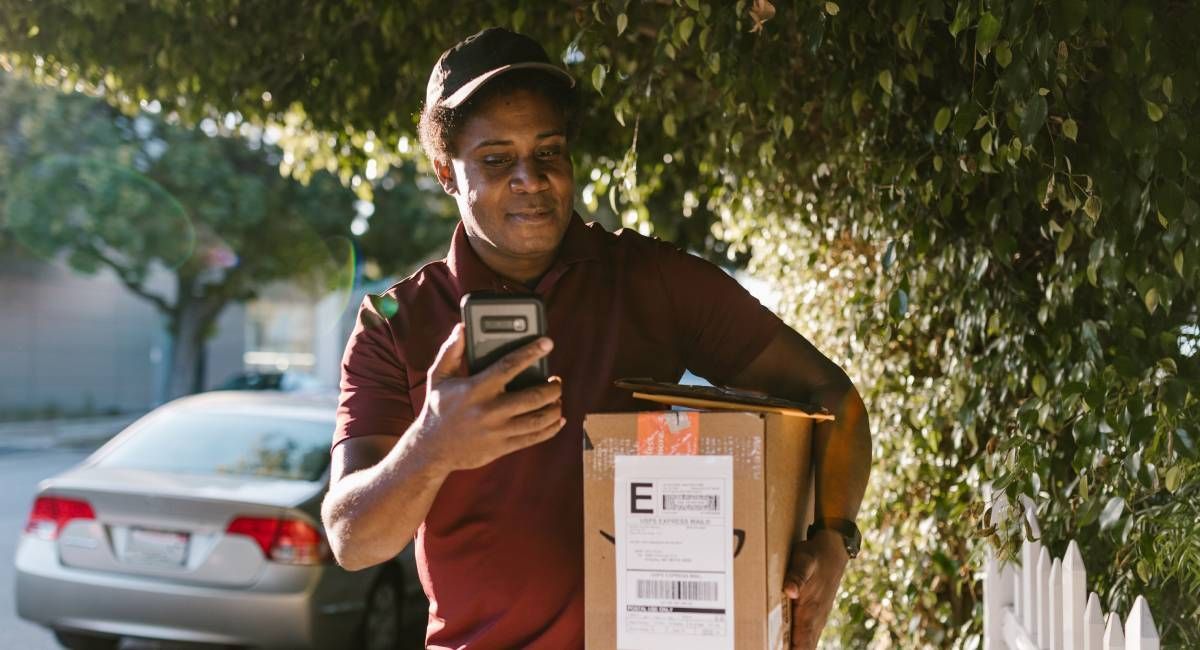
What actually happened, in a surprising number of cases, is much simpler. They moved house.
The reactivation emails went to an inbox they no longer check. The direct mail went to a flat that has a different tenant. The customer was not gone. They were just unreachable. And because the database had no way of flagging the difference, they were counted as churn.
This is how data decay works. Not in dramatic failures, but in a steady accumulation of records that have quietly stopped being accurate. Around 30% of customer data goes stale every year, not because anything went wrong, but because people move, change jobs, switch email addresses, or get married. Left unaddressed, that figure compounds. A database that has not been properly maintained for three years may have a third of its records either partially or wholly unreachable.
The problem is that it is almost invisible until it is already significant. A handful of bounced emails does not raise an alarm. Neither does a slightly elevated returns rate. The metrics look broadly normal because the volume of bad data is not yet high enough to distort them. By the time it is, the damage is done.
The churn you cannot account for
Most businesses have a reasonable handle on the customers they actively lose. Cancellations are tracked. Lapsed accounts are flagged. Retention programmes exist precisely to address the customers who stop buying.
What those programmes cannot reach is the customer who never formally left. They sit in the CRM as a lapsed record. They count toward the database size. They get included in reactivation segments. They cannot receive the communication because the address on their record is no longer valid.
The downstream effect is real. A repeat customer whose address changed after a house move never receives the offer that would have brought them back. A lapsed member does not see the renewal reminder and lets the subscription quietly expire. In both cases, the organisation records an attrition event. In neither case did the customer actually decide to leave.
A customer who moved house is not the same as a customer who left. That distinction tends to matter quite a lot when you are trying to work out where your retention budget should go.
Why reactivation campaigns underperform
When a win-back campaign comes back with poor results, the instinct is to interrogate the campaign. The subject line gets tested. The offer gets more aggressive. The timing gets adjusted. All of that is reasonable. None of it helps if a meaningful share of the list cannot receive the email in the first place.
A lapsed customer segment typically contains three types of contact: people who genuinely disengaged and are unlikely to respond, regardless, people who might respond to the right message, and people who would respond, but the email never arrives because the address has changed. The frustrating thing is that you cannot easily tell these groups apart from the outside. Low open rates and low click-through rates look the same whether the cause is disengagement or data decay.
Email is only part of it. Physical address decay affects direct mail and delivery. Phone number decay affects SMS and outbound calling. Each channel erodes at its own rate, and most organisations are not tracking the accuracy of their data across all of them.
30% of customer database records become inaccurate within 12 months, without any action by the customer.
What changes when the data is clean
A data cleanse does not just improve deliverability, though it does that. It changes what the numbers actually mean.
When ghost records are removed from a lapsed segment, the remaining file is smaller but more meaningful. Reactivation revenue from that cleaned list is real revenue, not a percentage improvement calculated against contacts who were never going to respond. The churn figure, once recalculated without the unreachable records, is often more positive than expected. Some of what looked like permanent attrition turns out to be recoverable.
There is a GDPR dimension too. Article 5(1)(d) requires that personal data be kept accurate and, where necessary, up to date. The ICO can issue fines of up to £17.5 million for data accuracy failures. Most organisations are not at serious risk of enforcement, but most organisations also have not checked how their database holds up against a standard they are legally required to meet.
The more common consequence is commercial rather than regulatory. Marketing budgets applied to an inaccurate list simply do less than they should. The same spend, against a validated file, produces measurably better results. Not because the campaigns improved, but because the contacts can actually receive them.
The practical starting point
Addressing data decay does not require a significant IT project. For most organisations, the starting point is a cleanse of the existing CRM: matching records against current address databases, identifying email addresses with persistent bounce history, removing duplicates, and flagging phone numbers that are no longer in service.
Done once, it resets the foundation. Done regularly, and combined with validation at the point of data capture, it prevents the drift from accumulating again.
The customers in those unreachable records did not all decide to leave. Some of them are still out there, still buying in your category. They just moved.
Improve your data health and protect your business today. Reach out to our team below for a free data health check.